
Product Consistency: Why Supplier Switching Ruins FMCG Brands
Feb 02, 2026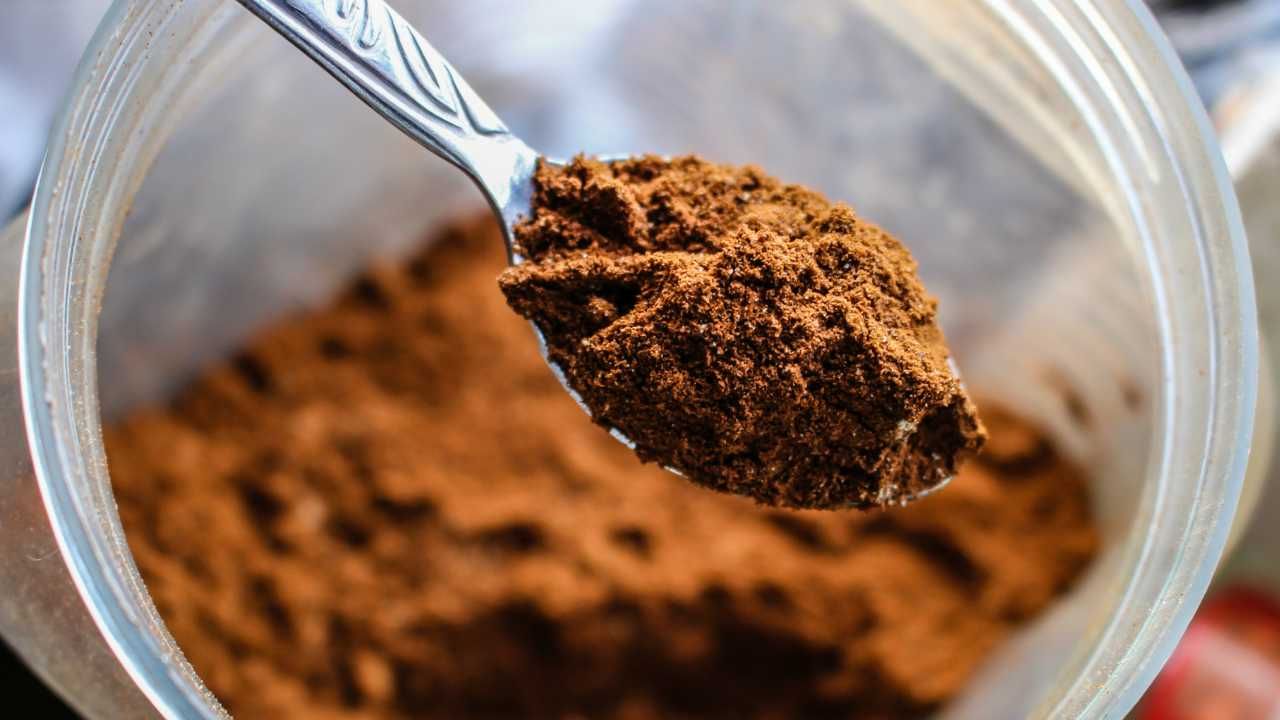
"The product doesn't taste the same any more."
This is one of the most common emails I get from food and drink brands. And when I start asking the questions, nine times out of ten it's the same story.
Someone in the supply chain or procurement team changed the supplier.
They thought it would be fine because it's the same ingredient on paper.
Spoiler alert, it's never fine.
Today I'm sharing a client's story that perfectly illustrates why switching suppliers or ingredients without proper tasting first can undo months of product development work in the matter of weeks.
The Client Story: When Everything Goes Wrong
I had this client. I helped them fix two of their chocolate, clean-label and plant-based products. These were products that had been on the market for a while, but they were not performing well any more and they saw their sales were declining.
We spent months working together to get the flavours right. And I mean months. Because they were really challenging bases. Plant-based, clean-label, no additive, full of goodness, full of plants and seeds and roots.
We did tasting after tasting, we refined the chocolate profile, we got the sweetness balance for both products. We scaled up, all worked fine. Finally everyone signed off the two new formulations. The founder is happy, the team is happy, we'd cracked it.
The two projects launched, everything is going well, reviews are very positive, the team is excited, I am over the moon.
A few weeks later, I get an email.
"Manon, the product doesn't taste the same any more, something changed, can you help us fix it?"
So I'm thinking, what the hell? We just finished these two products. Everyone signed off, everyone was happy. What could have possibly changed in the few weeks?
The Investigation
So I start asking questions about the production. Did anything happen during production? Maybe they increased the level of one of the ingredients, forgot to put another one in, but everything was fine.
Have you switched any supplier or ingredient recently?
Long pause.
Turns out, yes, they did. The procurement team had switched to a cheaper cocoa powder supplier. And they didn't tell the R&D team.
Because in their mind, cocoa powder is cocoa powder. So same ingredient on paper, so what would it matter? It would taste the same.
Except it didn't.
The new cocoa powder wasn't just different in price, it was different in colour and in taste. So one of the products looked completely different. And the worst thing is, it actually tasted different. Obviously.
One of the products was fine with the new cocoa powder, but the other one tasted completely different. It tasted flat, it didn't taste chocolatey any more. All of the depth and the richness of the chocolate profile we'd succeeded in creating just went into the bin. Gone.
So you can imagine everyone was very, very angry. And now, they had ordered a very large amount of this new cocoa powder and they were running low on the previous one.
Why This Keeps Happening
Now, this is a problem I see all the time with food and drink brands I work with, but not just with my clients, but across the FMCG industry.
Typically, someone in the procurement team sees that supplier B is offering the same ingredient, but at a cheaper price than supplier A. They think, brilliant, let's save some money. They make the switch.
They don't tell the product development or the R&D team because, well, it's the same ingredient, isn't it?
But this is what they don't understand. Two ingredients can have the same name on paper, but be completely different in reality.
If we go back to our cocoa powder example, the cocoa powder from supplier A is not the same as the cocoa powder from supplier B.
They may have different origins, different processing methods, different roasting profiles, which means they have different colours, flavours and mouthfeel.
Same Name, Different Product
The same goes for vanilla extract. Vanilla extract from Madagascar is not the same as vanilla extract from Tahiti or Mexico.
The same goes for oat milk. Oat milk from supplier A is not the same as oat milk from supplier B, even if they're both called oat milk.
The Root Cause
So why does this keep happening? Why do procurement teams make these switches without tasting?
Because their job is to save money. And from their perspective, they are doing exactly what they are supposed to do. They are finding a cheaper supplier, they are negotiating better prices, they are reducing costs.
The problem is they are not food scientists, they are not R&D. They are looking just at a spreadsheet or a spec and they just say "yeah the two specs of the cocoa powder look exactly the same, I can swap one for another".
And often there is no communication between the procurement team and the R&D, and I saw it first-hand when I was working either at McVitie's or in the flavour house. Procurement would make a decision, R&D would find out weeks later when something went wrong, and by then it was too late.
The Cascading Damage
And this creates massive problems because by the time you realise your product doesn't taste the same, you've already produced thousands of units. You've already sent products to retailers. You've already had customers complaining.
And now you're in crisis mode trying to fix something that should never have been broken in the first place.
How to Investigate When Your Product Changes
So if your product suddenly doesn't taste the same any more and you have no idea why, here's the first question you need to ask:
Has anything happened with production? Has anything changed in your supply chain?
Sometimes we jump directly to flavourings. What happened to the flavouring? Does it need to be stronger? But nine times out of ten it's coming from the supplier or the production.
And here's what you need to do. You need to investigate the base of your product first before you start trying to fix the flavours.
Step 1: Taste Your Base
When you're investigating, taste your base on its own. Don't just taste the final flavoured product. Taste the unflavoured base and the flavoured base so you know where the problems come from.
Step 2: Check All Characteristics
Is it sweeter than before? Is it more bitter? Is it more astringent? Is it fattier? Does it have any off-notes that weren't there before? So you can narrow down where the problem is.
Step 3: Compare to Previous Batches
Compare it to your previous batches if you have samples or taste alongside your benchmark product. Because if your base has changed, no amount of flavouring is going to fix it. You need to address the base issue first.
The False Economy of Cheap Ingredients
I understand that cost pressure is real. I understand that procurement are under pressure to find savings wherever they can.
But cutting costs on an ingredient without proper testing is a false economy.
Because yes, you may save £20/kg on a cheaper cocoa powder. But if that cheaper cocoa powder ruins your product and you lose customers, and you have to reformulate, and you damage your retail relationship and your brand image, you've just cost your business thousands of pounds.
What Smart Brands Do Differently
The smartest food and drink brands I work with understand this.
They taste new suppliers properly. They involve their product development team in procurement decisions. They taste every batch.
Because they know that consistency is everything, that customers expect their product to taste the same every single time, and that protecting that consistency is worth the investment.
So if you're a food and drink brand, please talk to your procurement team. Make sure they understand that ingredients matter, that switching suppliers has consequences.
What You Need to Do Now
So if you're a food and drink brand, please talk to your procurement team. Make sure they understand that ingredients matter, that switching suppliers has consequences.
But here's the bigger picture: supplier switches are just one of five common reasons why products stop performing.
The others? Your base overpowering the flavour. Scale-up changing your taste. Generic flavour choices in crowded markets. Or consumer preferences evolving faster than your recipe.
The key is knowing how to diagnose which problem you're actually facing before you try to fix it.
Because if you don't identify the root cause, you'll waste months and thousands of pounds trying to fix the wrong thing. You'll ask your flavour house for stronger flavours when the real problem is a supplier change. You'll reformulate when you should be looking at your scale-up process.
That's why I created the Flavour Blueprint - to give food and drink brands a systematic way to identify what's really gone wrong with their product, and then fix it using a simple 3-step strategy.
Inside, you'll discover:
- The 5 most common reasons why products aren't selling (including ingredient swaps and supplier changes)
- How to identify what's really going wrong with your product
- A simple 3-step flavour strategy you can start today to fix it
Download your free Flavour Blueprint here
Because whether it's a supplier switch, a flavour issue, a scale-up problem, or something else entirely, you need to diagnose correctly before you can fix it. And that consistency is what keeps your customers coming back.