Why your F&D customers aren't coming back in 2026?
Apr 17, 2026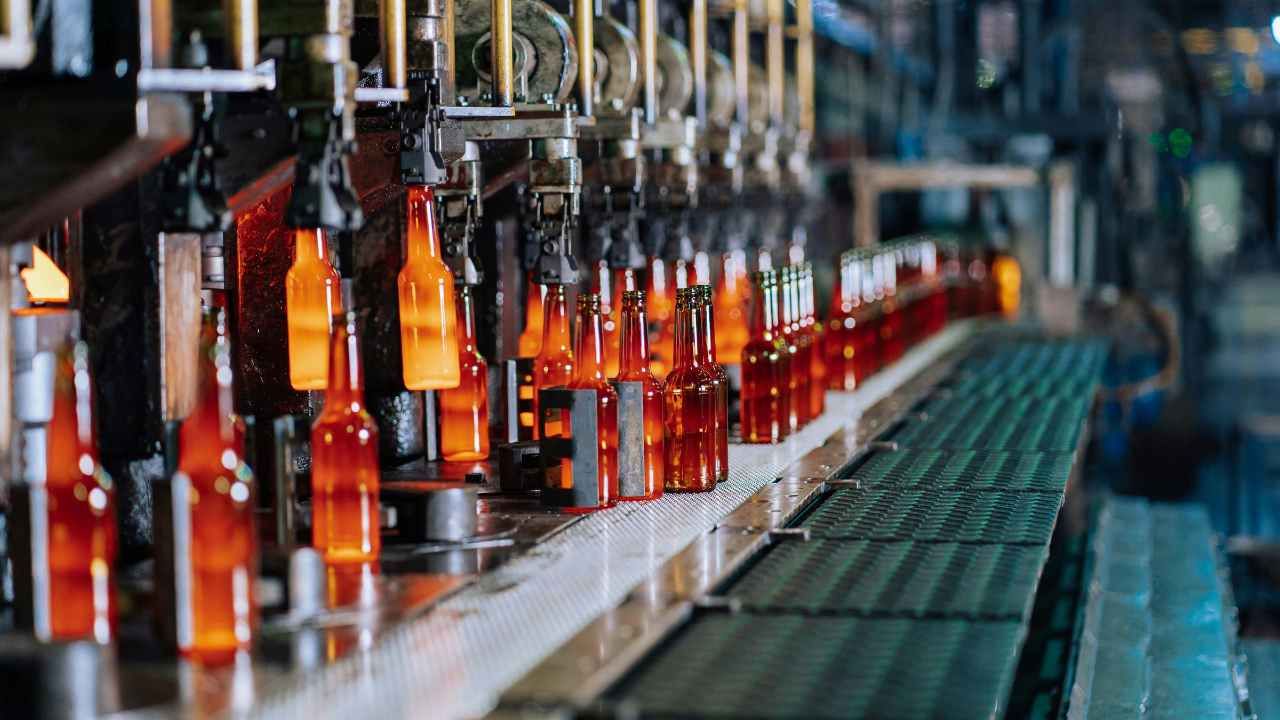
When was the last time you really looked at your repeat purchase rate?
Not roughly. Not "I think it's okay." Really looked at it.
Because that number, more than your launch figures, more than your follower count, more than anything on your marketing dashboard, is the one that tells you the truth about your product.
I had this on my mind all week after speaking at the Nourish conference organised by the Tastebuds Collective. One room, packed with researchers, consultants, founders and food professionals. And the things I heard in that room I have not been able to stop thinking about since.
A room where the most honest conversations happen
The thread running through every single talk at Nourish was collaboration. Between researchers and farmers, chefs and schools, sustainability teams and supply chains. This is where the best things in the food industry happen, when people stop working in silos and actually work together.
I spoke about flavour, of course. And the point I kept coming back to is one I genuinely believe: consumers in 2026 are not choosing between taste and health benefits anymore. They want both.
If your functional product doesn't taste good, they will simply find a competitor that does. And everything I heard that day kept coming back to exactly that.
The categories you are probably already watching
Food and nutrition consultant Haley Bell gave a brilliant and very clear picture of where the industry is heading right now.
Functional drinks are the biggest area of growth at the moment, driven mainly by Gen Z. Fermented drinks are growing right alongside that. But if you are in that space, you already know the flavour challenge is real. These ingredients do not taste neutral, and you cannot just mask and hope for the best. You have to work with them properly.
The protein conversation is shifting too. It is no longer just sports nutrition. The growth is in women's health, midlife nutrition and healthy ageing. The person picking up your protein product today may be very different to the person you originally had in mind when you launched.
And then there is the GLP-1 effect: consumers on weight loss medication are being incredibly selective. Protein. Fibre. Nutritious. Your product needs to genuinely earn its place in their basket. Low and no alcohol, meanwhile, has moved completely past Dry January. It is a year-round shift, and the growth is in premium. Something social. Something worth having. And if you are positioning your product at the premium end, the taste absolutely has to match.
The categories are growing. But more brands are competing for the same shelf space, the same customer, the same repeat purchase. The brands that take flavour seriously all the way through, not just at launch, are the ones that will win.
The school chef who changed how I think about flavour
One of the most moving stories I heard that day came from Francis Wolf.
He built a restaurant with the ambition of bringing fine dining to everyone. Then COVID hit, costs went up, and he had to close in 2023. But that became a turning point. His daughter told him what she was eating at school: frozen food, nothing local, nothing cooked from scratch. So he walked in and became a school chef himself.
He cooked from scratch, sourced locally, and plated the food like it was a proper restaurant. He even had children picking edible flowers from the garden outside. And they responded completely.
What he said has stayed with me: "We think we know what children want, but we are wrong. Children respond to flavour."
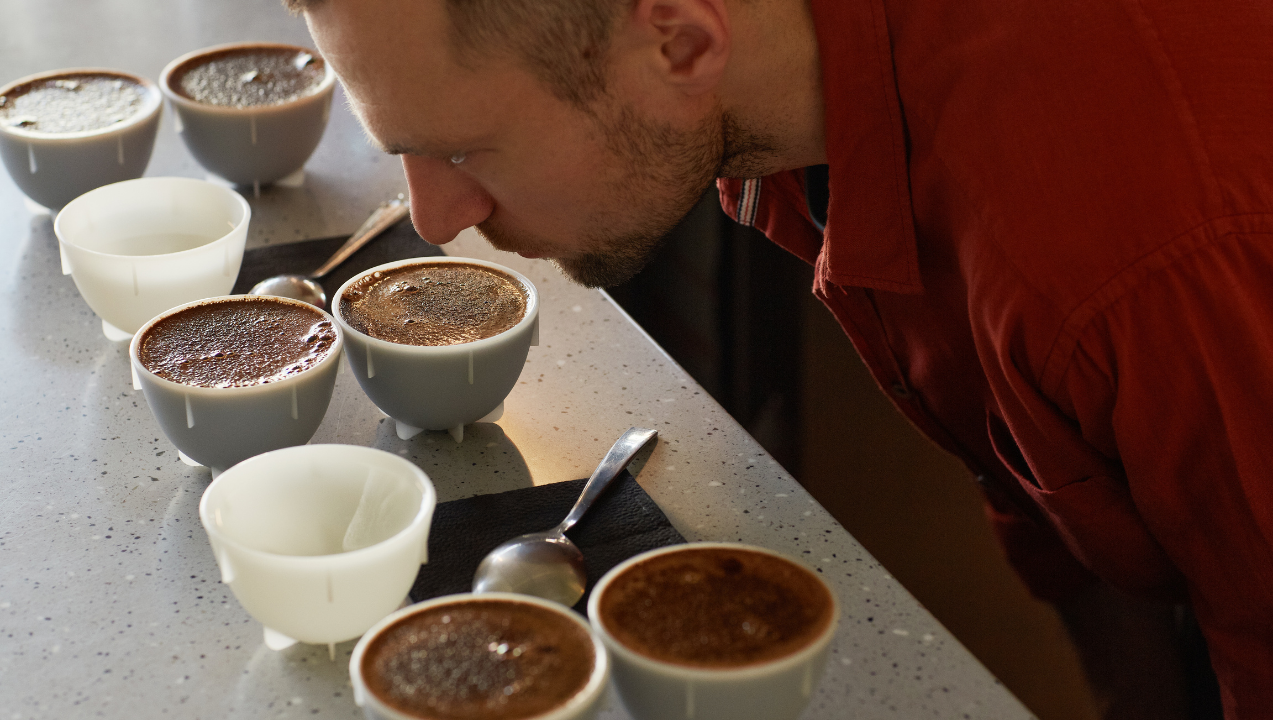
And I thought, yes. But it is not just children, is it? Everyone responds to flavour. So as a food and drink brand founder, how often do you really check? How often do you taste your product the way a new customer would, with no story behind it, no attachment, no knowledge of the functional ingredients inside? Just: does it taste good?
Packaging gets the interest. Flavour gets the repeat purchase.
This is the line I have not stopped thinking about since the conference.
It came from James Smith of Condimentum, who is quite literally reinventing mustard. His goal was to shift a traditionally older-skewing product towards millennials and Gen Z. So he looked at the data, studied flavour profiles, worked on reducing pungency, and developed new directions like hot honey and smoked barbecue. He did the work properly.
And what he said was this: "Packaging gets the interest, flavour gets the repeat purchase."
Your packaging may be the most beautiful thing on that shelf. Your brand story may be brilliant. You might win the first sale. But if the flavour does not deliver, if it does not taste as good as it looks, they will not come back. And in a market that is only getting more crowded, you cannot afford to lose that second chance.
The challenge no one warns you about at scale-up
I heard this truth echoed again in the story of Jenni Bloom, founder of Nocrudo, a non-alcoholic nootropic cocktail brand sitting right at the premium end of the low and no alcohol trend.
She spoke honestly about the challenges of scaling up while protecting the integrity of a product. Finding the right co-manufacturer, increasing shelf life, managing delicate functional ingredients, all while trying to protect the very thing that makes your product worth buying: the taste, the quality, the whole experience.
What works in product development does not always survive scale-up. And this is something I see so often. The product is genuinely good. But somewhere between development and production, something shifts. That shift is almost always in the flavour.
And here is what makes it especially hard: most food and drink brand founders are too close to their own product to spot it. Your palate adapts. You compensate without even realising you are doing it. The customer who picks up your product for the very first time tastes what is actually there, not what you intended.
So, where does your flavour actually stand?
If you are preparing to launch a functional, plant-based or wellness product and you want to be certain the flavour is right before you go to market, if you are already on shelf and something feels off but you cannot pinpoint what, if you have consumer feedback mentioning taste but you are not sure what to do with it, this is for you.
The Flavour MOT is a professional flavour health check. You send me your product and your consumer feedback, and within one week you receive a detailed report with my professional tasting notes, a traffic light breakdown of what is working, what needs improving and what needs urgent attention, plus a personalised video walkthrough with clear, actionable next steps.
It is not guesswork. It is clarity. So you know exactly where your product stands before you lose any more customers to a competitor whose flavour simply does more of the work.
Book your Flavour MOT here.