Gen Z's palate is more complex than you think
May 22, 2026
1. Why safe flavours are losing you Gen Z customers
There's a belief that quietly runs through most food and drink product development conversations, and it tends to go unchallenged: keep the flavour familiar, keep it approachable, don't take risks with taste.
And here's what I genuinely think is one of the most counterintuitive truths in this industry right now. The palate of a 20-year-old is more complex than the palate of a 50-year-old. Yes, I've said it. And if you're developing a product for Gen Z consumers, that single fact changes almost everything about how you should be approaching your flavour brief.
2. Who Gen Z actually are as food consumers
Gen Z were born roughly between 1997 and 2012. The oldest are now in their late 20s, some are already parents, and as a group their purchasing power is growing quickly. They are already a significant part of the food and drink market in the UK.
What makes them genuinely interesting from a flavour development perspective is not their age alone. It is their relationship with food. They discover products online before they ever taste them. They will watch someone try something on TikTok, see the actual reaction in real time, sometimes even a ranking, and that shapes their expectations long before the packaging has touched their hands.
They are also, according to Innova's data, genuinely adventurous eaters. 56% of Gen Z consumers actively seek out new flavours when they shop. 57% say they prefer street food-inspired flavours in packaged food. These are not the numbers of a generation looking for something safe and easy.
Their food choices are also emotional and contextual. They might want something bold and energising during the day and something soft and calming in the evening. Flavour, for this generation, cannot exist in isolation from the moment they are eating or drinking.
3. Five flavour trends worth understanding right now
So what does all of this look like in practice? Here are five areas that deserve your attention if Gen Z is part of your target consumer.
Asian Flavours 3.0 is not what it used to be. Generic "Asian-inspired" labelling no longer lands with Gen Z. They see through it immediately and they are simply not impressed by something so vague. What resonates now is much more specific: comfort-led fusion that takes something familiar and introduces something genuinely unexpected. Think Korean meets Italian, or Thai-inspired flavours applied to a recognisable Western format. The SamYang Bulldog Carbonara Ramen is a good example. It took the comfort of carbonara and brought in Korean heat. On paper it should not work. It absolutely does. So the question is not "how do I make an Asian product?" but rather which specific flavour, from which culture, could bring something genuinely new to a format your consumer already knows.
Complex spice is the second area, and it is a rich one to work with. Heat has evolved. What Gen Z respond to is not the intensity of spice on its own but the layers around it. Sweet heat, like hot honey or hot maple. Salty heat, like spiced feta. Zingy heat, where garlic, lime and chilli are working together. The Thai fried chicken wave did this brilliantly, combining multiple dimensions of flavour in a way that felt surprising and genuinely moreish. The beauty of this trend is that it translates well across snacks, sauces, marinades, bakery and dairy.
Street food energy in a packaged format is the third. Gen Z love street food because it feels real, culturally specific and shareable. They want the same feeling from the products they pick up in a supermarket. Specific flavours showing strong growth right now include chaat masala, bonzu, chipotle chilli, garlic parmesan, spiced maple and cotija cheese. These are not vague directions. They are named, specific, with a clear origin and a clear flavour story.
Unexpected combinations are the fourth area. Fruit and coffee, birria ramen, coffee hot sauce. Things that look entirely wrong on paper and feel completely right when they are done well. Gen Z love discovering something surprising and sharing it. In retail, this often shows up as products with versatility across different eating occasions, rather than something very narrow with a single defined use.
Drinks are the fifth, and the shift here is significant. Dirty sodas, which are highly customisable non-alcoholic drinks mixing soft drinks, syrups, cream and fruit, are growing fast. So are genuinely flavour-first low-alcohol and alcohol-free options. In both cases the direction is sweet, sour and fruity. If your drink currently feels flat or generic, this is a space worth taking seriously.
If you're working on a new product aimed at Gen Z and you're not sure which of these directions fits your specific base, the Choose Package is designed exactly for that: a structured, science-led process to help you find the right flavour direction for your product and your consumer.
4. The three mistakes that lose Gen Z at the shelf
You could follow every single one of these trends and still find your product struggling. Here's where brands go wrong.
Going too broad is the first. "Asian-inspired" gives your NPD team and your flavour suppliers almost nothing to work with. The more specific your flavour direction, the higher your chances of actually getting it right. Gen Z will not be moved by something so vague it does not feel like anything in particular.
Ignoring your product first is the second. The same flavour behaves completely differently depending on what base it is applied to. A hot honey note in a protein snack bar is not the same as a hot honey note in a dip, a sauce or a biscuit. If your base is functional or plant-based, with challenging ingredients, you need to understand how those ingredients and your flavours interact before committing to any trend direction.
Treating Gen Z as one single consumer is the third. A 19-year-old discovering food through TikTok and a 27-year-old Gen Z parent cooking for their family do not share the same expectations around flavour or product. Knowing which part of this generation you are specifically developing for changes your brief entirely.
What connects all three mistakes is the same thing: not knowing enough about who you are developing for.
5. From trend map to flavour brief
The five trends I've described are like a map. But a map is only useful when you know where you are starting from.
Start with your product. Understand its characteristics, its constraints, how your functional or challenging ingredients behave under heat, at scale, over shelf life. Then look at which trends create a genuine fit between what your product can deliver and what your Gen Z consumer is looking for. Then zoom in on who that consumer is specifically. What are they already eating? Which restaurants do they go to? What would make them reach for your product over something else on the shelf?
That is when your flavour brief becomes something your NPD team, your flavour suppliers and your contract manufacturer can actually work with. Not just "bold and adventurous", but a specific, grounded direction with enough detail to make confident decisions at every stage of development.
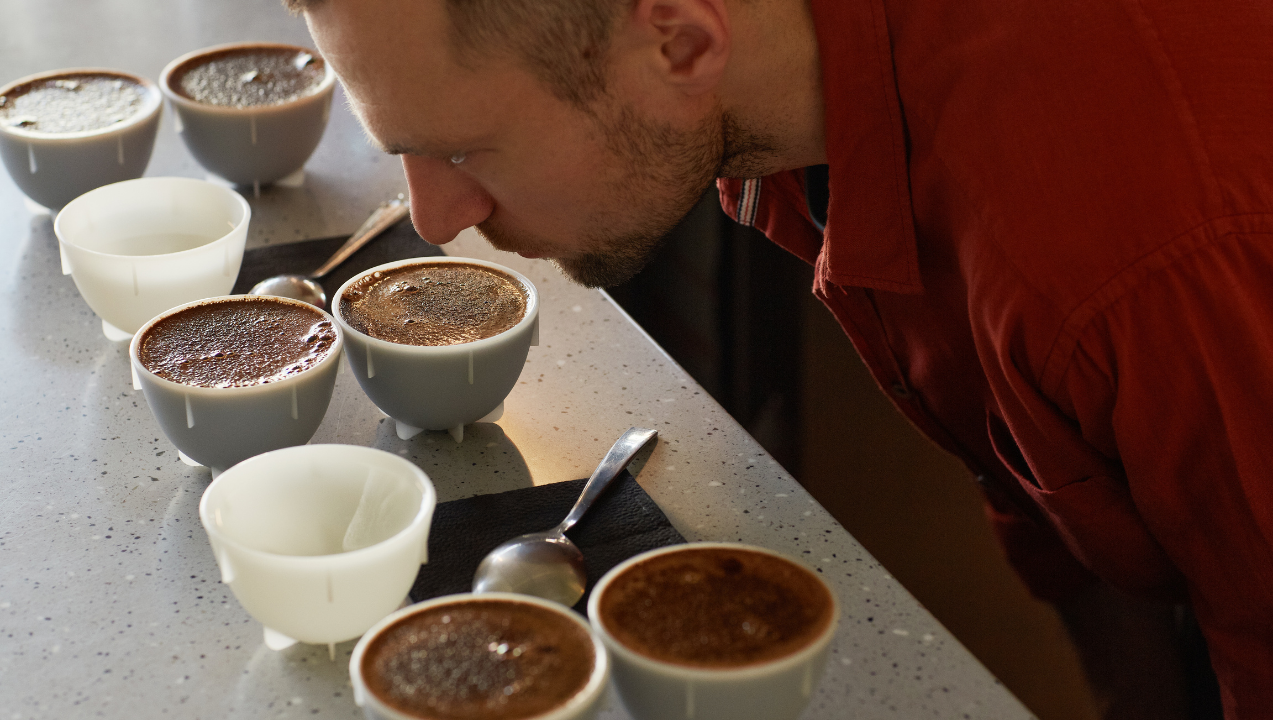
When you are testing samples, compare them not just against other packaged products or competitors, but against the actual street food or dishes that inspired your direction. It keeps you honest, keeps you close to what your consumer actually relates to, and it is a very quick way to know whether you are still on the right track.
This is exactly the kind of work the Choose Package was built around: understanding your product, mapping your consumer's palate, and finding the flavour direction that brings the two together properly. If that is something you are working through right now, it is worth having a look at whether it might be the right fit for where you are.