Why your adaptogen product tastes wrong
Jul 10, 2026
Pick up almost any adaptogen product from a UK shelf right now. Close your eyes and take a sip.
There is a very good chance that what hits you first is earthy, musty, or something close to cardboard. Maybe a metallic finish that lingers a little too long. And somewhere underneath it all, a faint trace of whatever flavour was supposed to be the point.
And here is what makes that so frustrating. The adaptogen market is worth nearly $11 billion globally and is one of the fastest-growing categories in food and drink right now. Consumer demand for stress support and functional well-being is not going anywhere. Yet most products in this category are being let down by the one thing that determines whether a consumer comes back.
That is what this post is about. Not the market size, not the trends, but the specific reason why so many adaptogen drinks and functional foods are failing their consumers at the first sip, and what to actually do about it.
If your product contains ashwagandha, reishi, lion's mane, or maca, this is for you. And if you are already wondering whether your flavour is working as hard as it should be, booking a discovery call is a good place to start.
What you are actually working with
Before we get into what goes wrong, it helps to be honest about what these ingredients actually taste like. Because once you understand this, everything else makes much more sense.
Ashwagandha is very earthy and woody. Reishi and lion's mane mushrooms are earthy, mushroomy, and musty. Maca brings its own character too, earthy with what I'd describe as burnt sugar notes underneath.
The common thread across all of them is that they are strong, they linger, and without a proper masking system in place, no flavour you put on top is going to come through clearly.
This is not a detail. It is the foundation of the entire flavour problem in this category.
The belief doing the most damage
There are three patterns that come up regularly when I work with functional food and drink brands developing adaptogen products. The first one is the most costly.
It is the belief that health benefits or functionality will carry the product despite the taste. I have had this conversation so many times. Founders say: "Our consumers buy it because it is good for them. They understand that it is not going to taste the same as a regular drink." And I always ask the same question back: do you actually have data on that, or is it an assumption?
So far, I have not met a single founder who could prove it. Every time, it comes down to what they want to believe.
The data tells a very different story. According to FMCG Gurus, 59% of global consumers say taste is the most influential factor when evaluating a health product. Not the ingredient, not the claim. The taste. And 70% of consumers say taste is the most important factor when deciding if a drink is worth the price, even when that drink is functional.
Food and drink are not medicine. They are supposed to be enjoyed, not endured.
In the short term, a consumer might tolerate a challenging taste because they believe in what the product does for them. But at some point, either the habit breaks because they cannot face another unpleasant experience every day, or they find a competitor offering the same functionality in something that genuinely tastes good. And in this category, there are more of those competitors every single year.
The other two mistakes
The second is trying to solve a base problem with more flavour or more sweetness. The instinct is understandable. When you have a product with strong off-notes, you want to overpower them with something louder. But you end up with a product that is completely out of balance, not because of the flavour direction, but because the foundation was never properly built first.
The third is choosing your flavour direction before you have understood your base. A brand arrives with a clear vision and tries to make the base fit that vision, rather than letting the base inform what the flavour direction should actually be. This sounds like a process detail. In practice, it is where projects go wrong very early on.
Two client examples that show the difference
Mind Grind came to me with a functional adaptogen and black tea blend designed to replace coffee. Their vision was a super creamy, milky hot chocolate. But when we actually sat with the base, it became clear very quickly that the earthy, mushroomy notes combined with the astringency of the black tea would never support that kind of creaminess, particularly in a vegan product.
Instead of forcing it, we pivoted. We went darker, richer, and more adult. A premium hot chocolate rather than a milky one. But before we could talk about flavour direction at all, we had to build the foundation first. Masking the earthy and mushroomy notes. Rebalancing the sweetness, which matters a lot when you are mixing a powder with boiling water because heat amplifies everything already in the base. Only then could we start on the actual flavour profile.
The second example is VivoLife's maca salted caramel blend. When I tasted their current product, the maca was so persistent through the whole experience that you could barely taste the caramel at all. The brief was clear: creamy, buttery, indulgent. But without addressing the foundation first, that brief would have been impossible to deliver.
The process was exactly the same. Mask the maca. Rebalance the sweetness. Then build the flavour on top of a clean base.
The difference between addressing the foundation and skipping it is the difference between a product that tastes the way you intended and one that does not. If any of this sounds familiar, it might be worth a proper conversation about your product. Book a discovery call here.
The bottom line
The adaptogen category is a real and growing opportunity. 48% of global consumers are actively planning to lower their stress levels in the next 12 months, and the UK is one of the strongest markets in the world for mood and cognitive function in functional food and drink.
But most products right now are being let down by the same pattern: the belief that functionality will do the work that taste is not doing, and a development process that skips the foundation. That will not hold up when competitors are making the same claims in products that taste considerably better. And it will not hold up in a legislation environment where you cannot rely on your label to communicate the benefits anyway.
Mask first. Pair flavours second. Start the brief with the base, not the brand vision.
Before you go
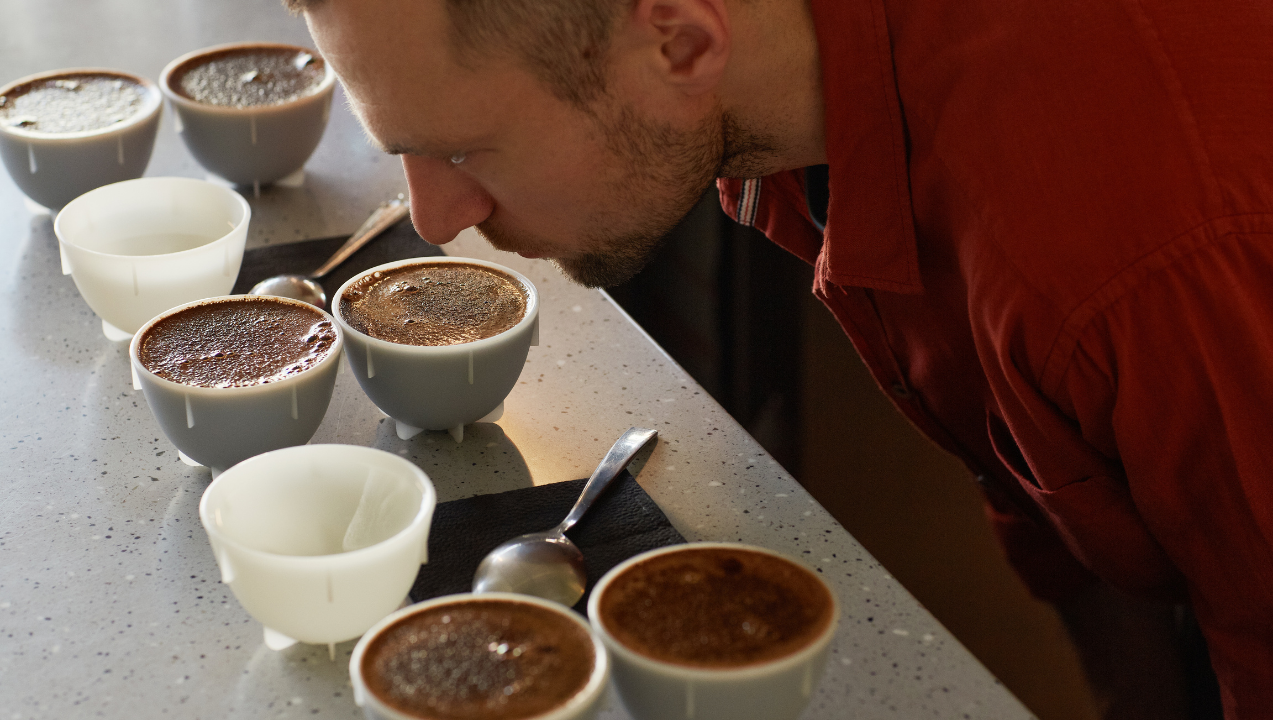
Pick up an adaptogen product this week. It can be yours or a competitor's. Write down three words that describe what you are actually tasting, then ask yourself: does the flavour direction work with those base notes, or is it working against them?
Drop what you find in the comments below. And if the answer makes you uncomfortable about your own product, that is probably worth a proper conversation. Book a free discovery call and let's take a look at your product together.