When flavour names break consumer trust
Aug 14, 2026
A flavour name is a promise, not decoration
When a consumer reads chocolate fudge cake flavour on a protein shake, they do not just see an attractive name. They imagine the smell, sweetness, richness and familiarity of a chocolate fudge cake they have tasted before.
If the product delivers something closer to generic chocolate, the disappointment starts before the first sip. The name has created a promise, and the product has not delivered it.
The first purchase and the second are different decisions
The first purchase is often driven by the shelf. The packaging, design, flavour name and overall presentation persuade someone to put the product in their basket.
The second purchase is a different decision. It is driven by the experience of using or eating the product, and whether the taste gave the consumer a reason to come back.
These two moments need to work together. A product can win attention once and still fail commercially if the flavour does not match the expectation created by the pack.
Specific names create specific expectations
Writing vanilla flavour on a biscuit, snack, protein bar or milkshake creates a relatively broad expectation. Most consumers understand the general direction, but they may not expect one very specific taste.
Writing vanilla cupcake flavour on a protein bar creates a much more precise promise. Now the consumer may expect buttery notes, sweetness, baked cake, icing or even a particular texture.
The more evocative and specific the name becomes, the less room there is for the product to fall short. You are asking it to compete with a memory that already exists in the consumer’s mind.
Consumers rarely explain what went wrong
When a product underdelivers, consumers do not always leave a detailed review or send an email explaining the problem. Often, they simply do not buy it again.
Then the sales data starts to soften. The product sits on shelf for longer, repeat purchase drops and everyone starts looking for an explanation.
Sometimes the answer is sitting in the gap between what the packaging promised and what the consumer actually experienced.
I learned this from a bag of crisps
I once picked up a bag of crisps with a very specific Christmas dinner-style flavour name. It was evocative, and I immediately had a picture in my mind of turkey, gravy and all the depth that comes with that kind of meal.
But when I tasted it, the flavour was mostly generic meat. I could not find the turkey, the gravy or the complexity suggested by the name.
I remember thinking, “Are you taking me for an idiot?” The crisps were more expensive than the alternatives, and I had chosen them because of the flavour promise. I never bought that bag again.
Nothing malicious necessarily happened. The brand was probably focused on creating something exciting for the packaging. But the name created an expectation the product could not meet, and I became a lost customer without ever telling the brand why.
Test what the product really tastes like
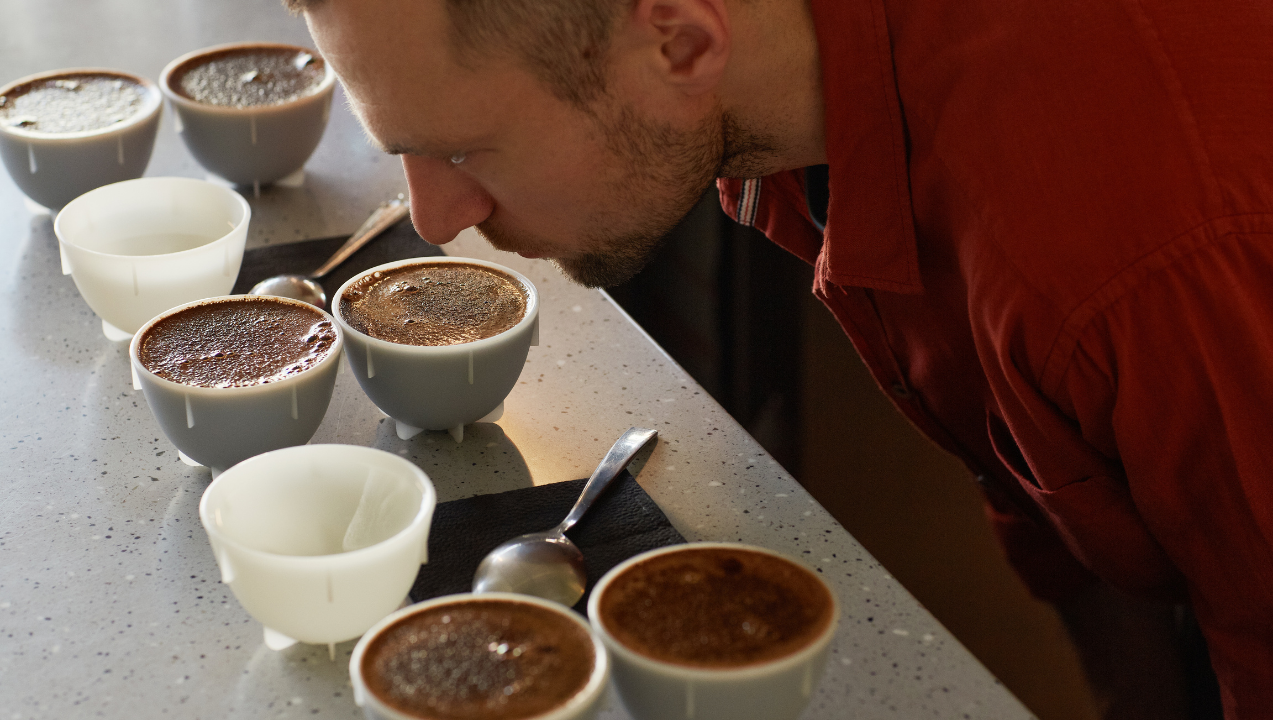
Before you finalise your packaging, run a structured taste session with your target consumers or existing customers. The way you introduce the product matters because you want to understand what it tastes like, not what people think they should be tasting.
Keep the brief generic. For example, if you are testing a protein shake, you could say, “This is a chocolate-flavoured protein shake.” Do not tell people that it is supposed to taste like chocolate brownie or chocolate fudge cake before they taste it.
Then offer a few options. Does this chocolate-flavoured protein shake taste most like chocolate, chocolate brownie or chocolate fudge cake? Ask people to explain their answer, including what they picked up and what they felt was missing.
If your product consistently tastes like chocolate to consumers, but you want to call it chocolate brownie flavour, you have found a useful gap to investigate.
You have two honest choices
You can adjust the flavour profile so it delivers what the name promises. Or you can adjust the name so it honestly reflects what the product already tastes like.
There is nothing wrong with calling a protein shake chocolate flavour if it tastes like chocolate. The issue comes when you call it chocolate fudge cake flavour but the consumer cannot find the cake, the richness or the depth.
An honest flavour name may sound less dramatic on the shelf, but it creates a more reliable relationship with the consumer. When the expectation and the taste align, people are more likely to trust the next product they see from your brand.
Start with one product
Choose one product that is not performing as well as you expected. Send it to 10 or 15 customers with a generic flavour description, give them a few options and ask them to explain their choice.
If they are willing to film themselves tasting it, even better. Their facial expression and body language can reveal reactions they may not think to put into words.
Then compare what they experienced with what you intended to write on the pack. If there is a gap, you may have found a reason why repeat purchase is not where it should be.
If you already have a product in retail or selling online and want an expert opinion on what is working, what needs improving and what to do next, you can send one product for a free Flavour MOT. You will receive detailed tasting notes and clear recommendations based on the product itself. Find out about the free Flavour MOT.
The question is not, “What do we wish this product tasted like?” It is, “What does it genuinely taste like, and is that what we are promising?”