GLP-1 is changing what people want to eat
Jul 31, 2026
Premium chocolate sales rose 17% among GLP-1 users in 2025.
When I first came across that stat, I sat with it for a moment. Because it cuts directly against what most of the food and drink industry seems to believe about this consumer right now.
The assumption is simple: GLP-1 users eat less, so they spend less, so your volumes go down. That is a reasonable instinct. But it is not the whole story. And the brands that stop at that conclusion are already leaving ground to the ones who have read it differently.
If you have a product on the shelf or in development and you have not yet thought seriously about what GLP-1 drugs mean for your category, this is a good moment to start. And if you want to think through what it means for your specific formulation, a discovery call is a straightforward place to begin.
What GLP-1 drugs actually do
GLP-1 stands for glucagon-like peptide 1. You will know the brand names: Ozempic, Wegovy, Mounjaro. They were originally developed for type 2 diabetes, but they are now widely used for weight management across the UK.
They work by slowing gastric emptying, suppressing appetite, and reducing what researchers have started calling food noise. That persistent mental chatter around food: the cravings, the impulse snacking, the feeling of never being quite satisfied.
In the UK, GLP-1 prescriptions have tripled in just two years. Users now account for 6% of British households. And with the Wegovy oral pill recently approved in the UK, the cost and convenience barrier is dropping fast. No more injections, no more fridge storage. This is not a niche health trend.
The commercial picture most brands are missing
A survey of over 11,500 British households found that GLP-1 users collectively reduced their annual grocery spend by £780 million. Within that, 72% cut back on crisps and 75% cut back on chocolate.
Those are the numbers most brands fixate on.
But the same research also found that premium chocolate sales rose by 17% among GLP-1 users in 2025. That is not a footnote. That is the signal that changes how you should be reading all of it.
When you can only eat a little, it has to be genuinely worth it
Here is the finding that I think matters most for product development. These drugs suppress the wanting and the craving. But they do not suppress the liking. The pleasure of eating, once something is actually in your mouth, remains largely intact.
GLP-1 users are not eating less because food stopped bringing them joy. They are eating less because the urge and impulse to eat has been turned down. So when they do choose to eat something, they are making a deliberate, considered decision. They want something that is worth the stomach space.
That is why premium chocolate is growing. Not because people suddenly developed expensive taste. But because if you can only eat a little that day, you want it to actually deliver.
Selective, not restrictive
This is the distinction I think matters most. GLP-1 users are not looking for diet food. They are not reaching for low-fat, reduced-sugar, or low-calorie alternatives. They are gravitating towards yogurt, kefir, soups, fruit, vegetables, porridge: not because those things are virtuous, but because they are lighter, easier to digest, and more comfortable on a stomach that fills up quickly.
What they actively want is real nutrients: protein, fibre, vitamins, minerals, real ingredients, and flavour that satisfies the smaller portion they are going to take.
And they are reading your label. Research from Circana shows that 59% of GLP-1 users in Europe are now paying closer attention to ingredient lists, and that behaviour persists even after they stop taking the medication. These consumers are asking, consciously and deliberately: does this product actually justify the space it is going to take up?
The taste perception picture is more complicated than you think
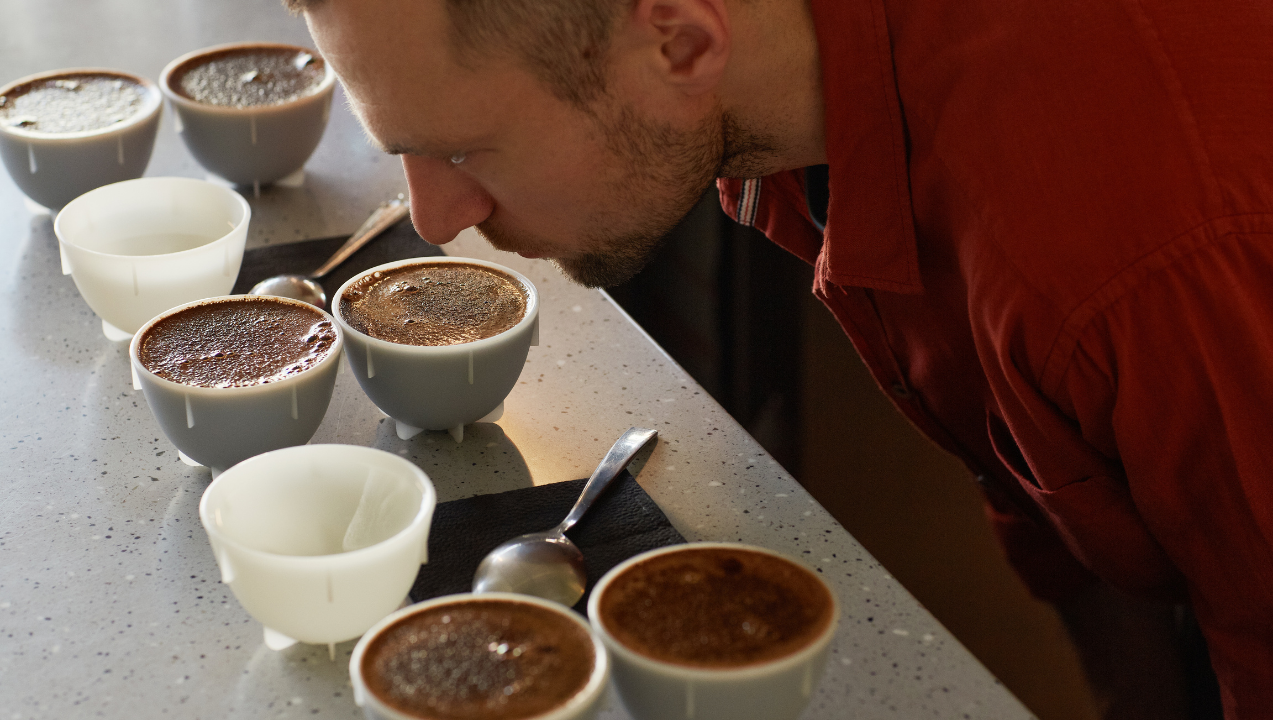
One study found that around 85% of GLP-1 users experienced weaker perception across all five basic tastes: sweet, bitter, umami, salty, and sour. The conventional narrative is that these drugs dull taste.
But MMR Research found almost the opposite. More than half of GLP-1 users reported more intense sweetness. 37% experienced higher saltiness. 34% experienced higher sourness. Two bodies of research, pointing in different directions. It tells us the science is still evolving, and that anyone claiming a definitive answer right now is oversimplifying.
There is also something called Ozempic mouth: a side effect where users experience a metallic taste or dry mouth, which makes anything very sweet, very salty, or alcohol-related significantly less appealing. And across most of the research, one thing does come through consistently: GLP-1 users tend to be more sensitive to bitter aftertastes in sweetness. So if your reformulation strategy involves simply swapping sugar for sweeteners, that is unlikely to land as well as you hope with this group.
What the brands getting this right are actually doing
Marks and Spencer is a useful reference point here. They launched a nutrient-dense range developed with both chefs and nutritionists, with positioning that says exactly what GLP-1 users need to hear: packed with more flavours, fibre, vitamins and minerals into every bite, perfectly portioned to deliver a high level of nutrients per calorie.
That brief works because it understands what this consumer is actually asking for. Smaller portions with high nutrient density, real ingredients, and a flavour experience that genuinely delivers at that scale.
If you are unsure whether your current product could make the same claim confidently, that is worth sitting with. It is also the kind of question I work through with founders in a discovery call, before they spend months reformulating in the wrong direction.
Three questions worth asking this week
If you are building or developing a product right now, these are the three things I would start with.
Does the flavour actually deliver despite the smaller portion? Flavour intensity in a small format is harder to get right than most founders expect. The size of the portion changes everything about how the flavour lands, and this is where products often fall short without anyone realising why.
Does your ingredients list hold up to someone reading every single line carefully? Not just from a health credentials perspective, but from a "does this feel like a considered, trustworthy product" perspective. Because that is the question your GLP-1 consumer is asking.
Is the texture light, smooth, and comfortable, or does it feel heavy and overwhelming on a stomach that is no longer used to large volumes?
Those three questions are a solid starting point for understanding how ready your product is for this consumer shift. And if you want to work through any of them properly with someone who can look at your specific formulation, book a discovery call with me here and I would be glad to help you think it through.
The window for getting ahead is now
GLP-1 drugs are moving from early adopter to mainstream faster than most people in the food and drink industry are tracking. The oral pill approval in the UK changes the uptake curve significantly. In 12 to 18 months, these consumers will be a meaningful part of your customer base whether or not you have designed for them.
The brands asking the right product development questions now, about flavour density, ingredient quality, portion design, and label transparency, already have a head start. Not because they are chasing a trend, but because they understand that the consumer relationship with food is shifting, and they are making sure their products are ready for it.
If that is a conversation you want to have about a specific product you are working on, you can book a discovery call with me here. This is one of those shifts I will keep coming back to as the research develops, so make sure you subscribe so you do not miss the next episode.