From Home Kitchen to Whole Foods: Andrea Kazan's Story
Nov 06, 2026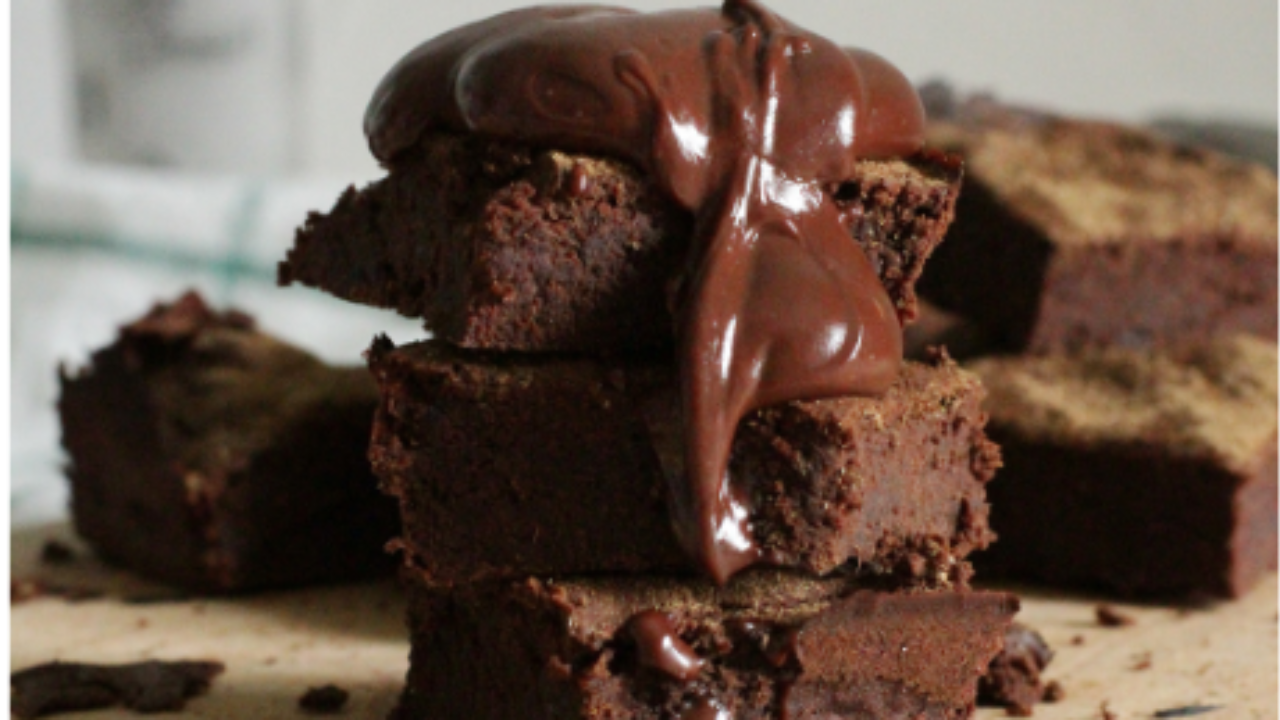
From a home kitchen to Whole Foods: what I learned from Good Mess
Have you ever tried to bake something delicious without refined sugar, grains, dairy or a single additive? Andrea Kazan did, because she had no other choice.
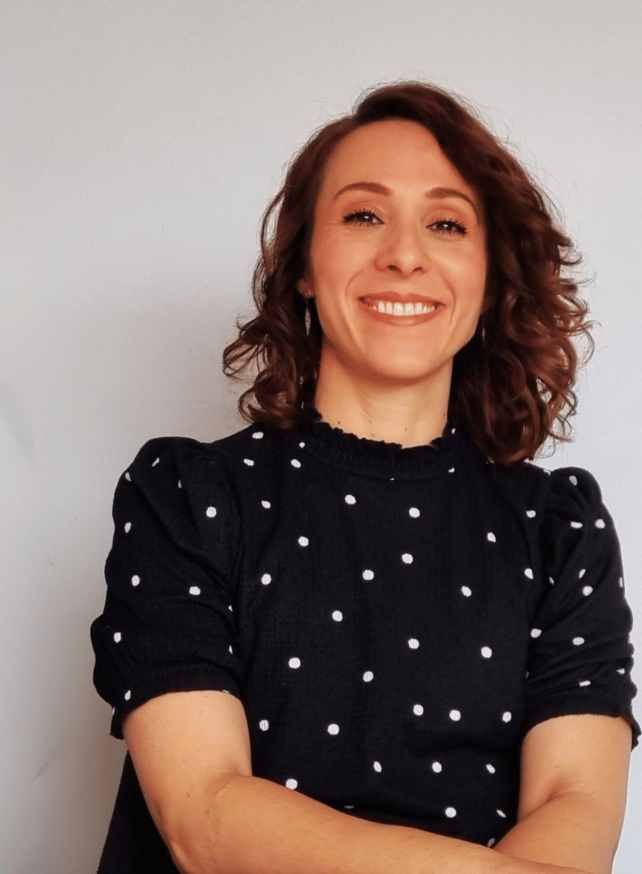
On the latest episode of the Food Lab podcast, I spoke with Andrea, founder of Good Mess. Her brand makes gluten-free, grain-free baking mixes with no refined sugar and a short, whole food ingredient list. Her story touches almost everything I love talking about: taste, texture, honest feedback and the trust of shoppers and buyers.
It started with a craving for cake
About six years ago, Andrea fell ill and had to change her diet completely, so refined sugar, grains and dairy were all off the menu. She was desperately craving cake, and after going round every grocery store in London she couldn't find anything she could eat.
So her mum started testing recipes at home, and she kept going for around a year. The first attempts were really bad, according to Andrea, and she and her sister judged them like their own little Bake Off. By the end the recipes were amazing, and friends who came over were served the same cakes and loved them, which gave Andrea an honest taste test before she had even thought about branding.
Texture was the hardest part to get right
Because the mixes use whole foods like coconut sugar and almond flour, with no emulsifiers or thickeners, texture was the biggest challenge. Most products on shelf use those additives to create a perfect, addictive texture, so it is natural to compare your own recipe with them. For Andrea, leaving them out was not even a question, and she accepted her mixes would never feel exactly like a big brand cookie.
As a food scientist, I know our go-to is the additive library, and I have heard colleagues say clean label simply isn't possible. I always tell them there is a way around it. Andrea sees her different texture as a positive too, because it helps people get used to what real, natural baking tastes like.
Listening to feedback, even when it stings
Andrea sampled her mixes in store herself, and she recommends every founder does the same instead of hiring someone, because you hear every reaction. It wasn't always easy, and when someone told her they didn't like a product she wanted to hide under the table. She kept asking what they didn't like, whether it was the taste or the texture, and what they would change.
She had no research budget at the start, so she gave samples to friends, friends of friends and strangers. The brownie divided shoppers while the banana bread sold easily, so she used their answers to rework the brownie with a different texture and a sweeter profile. This is the difference between good enough and wow, in my view.
Scaling up is full of surprises
Moving from her kitchen to a contract manufacturer was a steep learning curve, as Andrea doesn't come from a food background. She was lucky to find a supportive manufacturer who gave her the tools to navigate it. Then came the ingredients, because a ton of almond flour has different specifications and fat content from the bag you buy at a local shop.
Even sea salt surprised her. Bulk versions often include additives to help them flow through machines, so she searched until she found one without.
Buyers want a story and the evidence to back it
When Andrea approached buyers, she explained she had visited every grocery store in London and couldn't find a product like hers, while similar mixes were already doing well in the US. Baking mixes is a quiet aisle that hasn't seen much new for years, so her bright, modern packaging helped her stand out.
Once Good Mess was in Whole Foods and Planet Organic, she had sales data and a relationship to build on, and the buyers said yes to her three new flavours.
Shoppers are reading the back of the pack
Andrea remembers when most of us trusted claims like "high in fibre" on the front of the pack almost blindly. Today more people turn the pack around to read the ingredients, and some scan products with apps like Yuka to see what is really inside. She thinks the bar for trust is much higher now, and I agree that this is a good thing.
It is also why I love working with smaller food and drink brands that have a purpose. Shoppers are better informed, and they are moving towards brands that can prove they deserve their trust.
What comes next for Good Mess
For the short to medium term, Andrea wants to focus on getting her six flavours into more stores, so anyone who wants to try them can find them easily. She told me the first products are the hardest to develop, and each lesson, from texture to bulk ingredients, makes the next one a little faster. If you are in the middle of your first product right now, that is worth remembering, and you can take it one step at a time.
Still stuck with "I like it" feedback?
Andrea kept asking why, but what if your feedback so far comes from friends, family and your team, and it all sounds like "it's nice" or "I like it"? That makes it hard to know what to change, and harder to walk into a buyer meeting with evidence, especially while repeat purchases quietly slip.
My Flavour Development service is built for exactly that. I run the lab trials, guide you through tastings using objective language, and use a consumer palate questionnaire so decisions rest on what your target consumers expect, and you finish with a recipe you are confident putting in front of buyers. If that sounds like you, request a quote here.